Case History: Severe Patellar Tendinosis, Focused Shockwave, and the Power of Physical Longevity
In clinical practice, it’s easy to celebrate a short-term win. Pain settles. Training resumes. A race is completed.What’s much harder — and far more meaningful — is building physical longevity: the ability to keep training, adapting, and performing year after year.
This case is about exactly that.
The Starting Point: When Running Wasn’t Possible
In early 2019, a competitive runner presented with severe patellar tendinosis.
She was experiencing:
- Daily knee pain
- Inability to run
- Disrupted sleep
- limping walk
- Significant limitation in day-to-day function
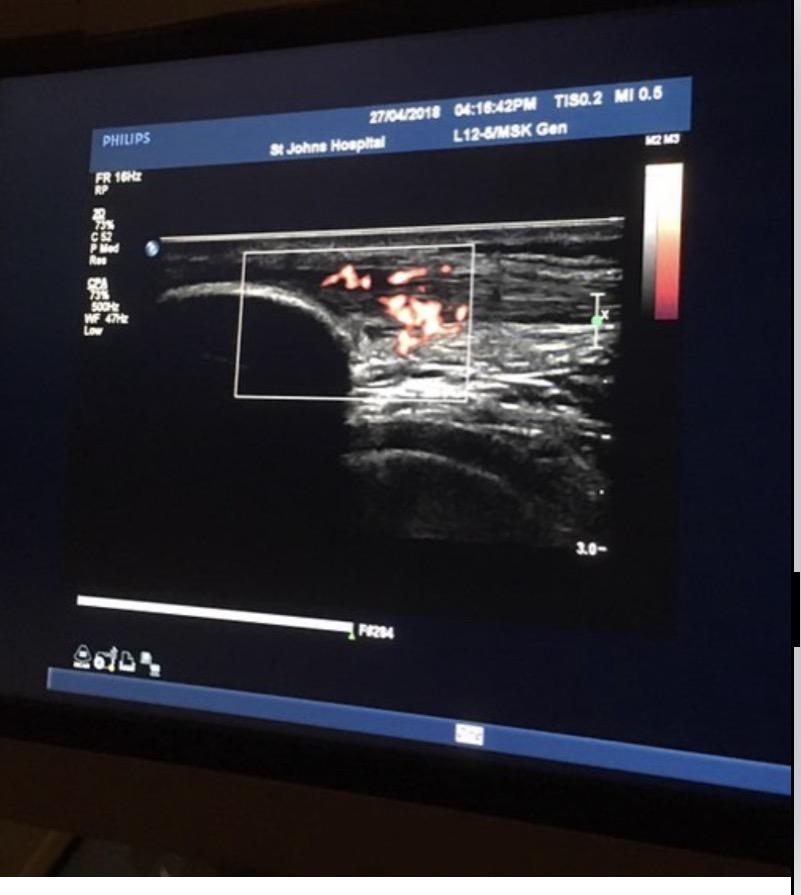
Ultrasound imaging demonstrated marked diffuse neovascularity within the patellar tendon — a finding commonly associated with long-standing, degenerative tendon pathology.At this stage, running simply wasn’t tolerated.
Early Interventions: When Imaging and Symptoms Don’t Align
On 4 January 2019, a practitioner administered corticosteroid injection
While this approach can reduce pain in some cases, in this instance there was no meaningful symptomatic improvement.
A follow-up ultrasound in February 2019 showed a slight reduction in Doppler signal (re-graded from very severe to severe), but clinically, nothing had changed.
This is an important reminder: imaging findings and lived function do not always move together.
A dextrose injection was then used to shift away from symptom suppression and towards biological stimulation, but running capacity remained limited.
The Turning Point: Focused Shockwave Therapy
At this stage, we introduced Focused Shockwave Therapy, combined with carefully controlled mechanical loading.
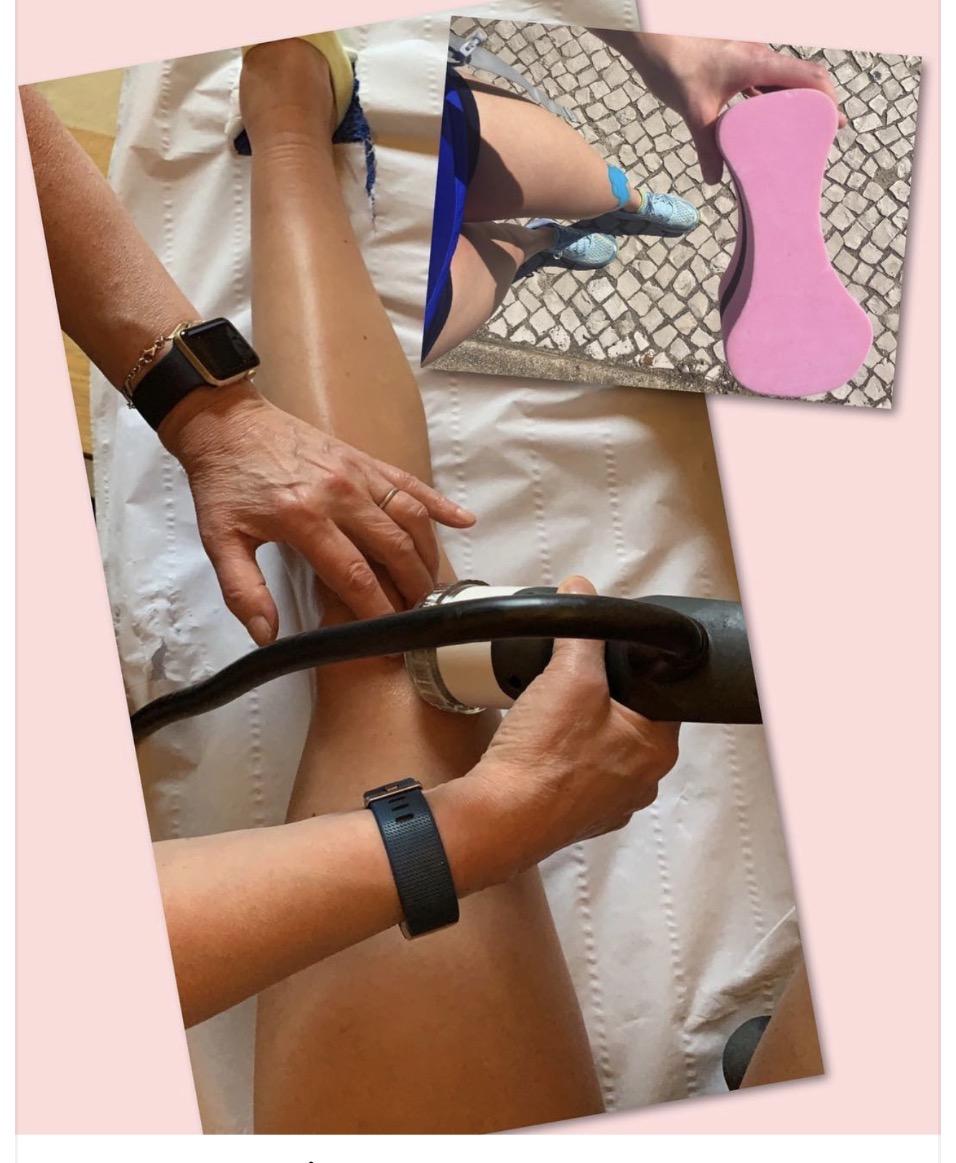
This was a pivotal moment.Focused Shockwave provides a precise mechanical stimulus to tendon tissue. Research from experimental and human tendon models suggests it can:
- Influence pathological neovascular signalling
- Activate tenocyte activity
- Modulate inflammatory mediators
- Stimulate collagen turnover and tendon remodelling
However, shockwave alone is never the goal.
Crucially, it created a window of opportunity — a point at which the tendon could begin to tolerate load again. From there, micro-progressive loading was introduced to translate biological change into real-world function.
For the first time in months, running became possible.
From Return to Performance… Not Just Participation
As symptoms settled and load tolerance improved, training was rebuilt gradually and deliberately.
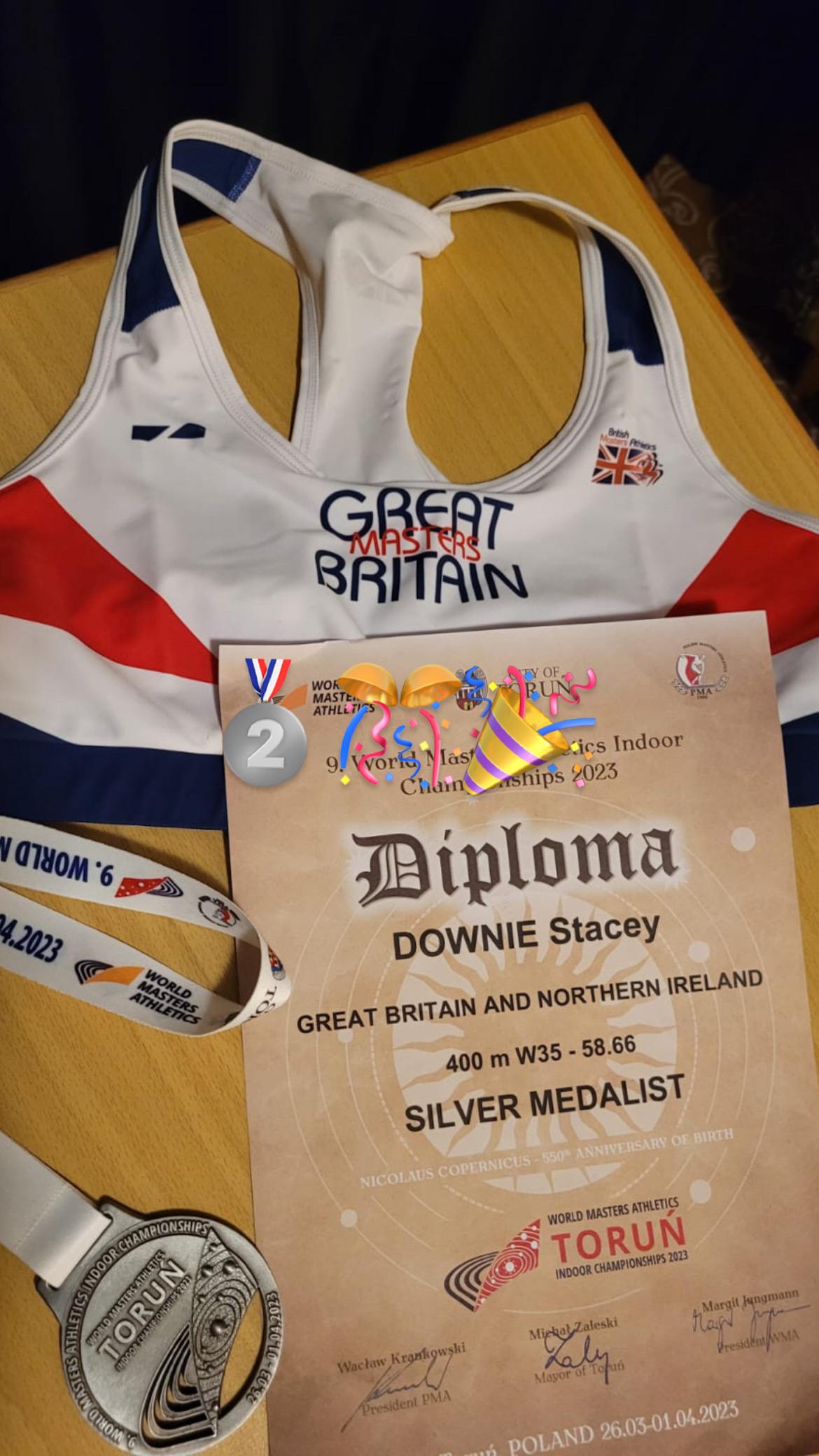
On 4 May 2019, she returned to competitive racing.
She didn’t just return — she became Scottish Champion.
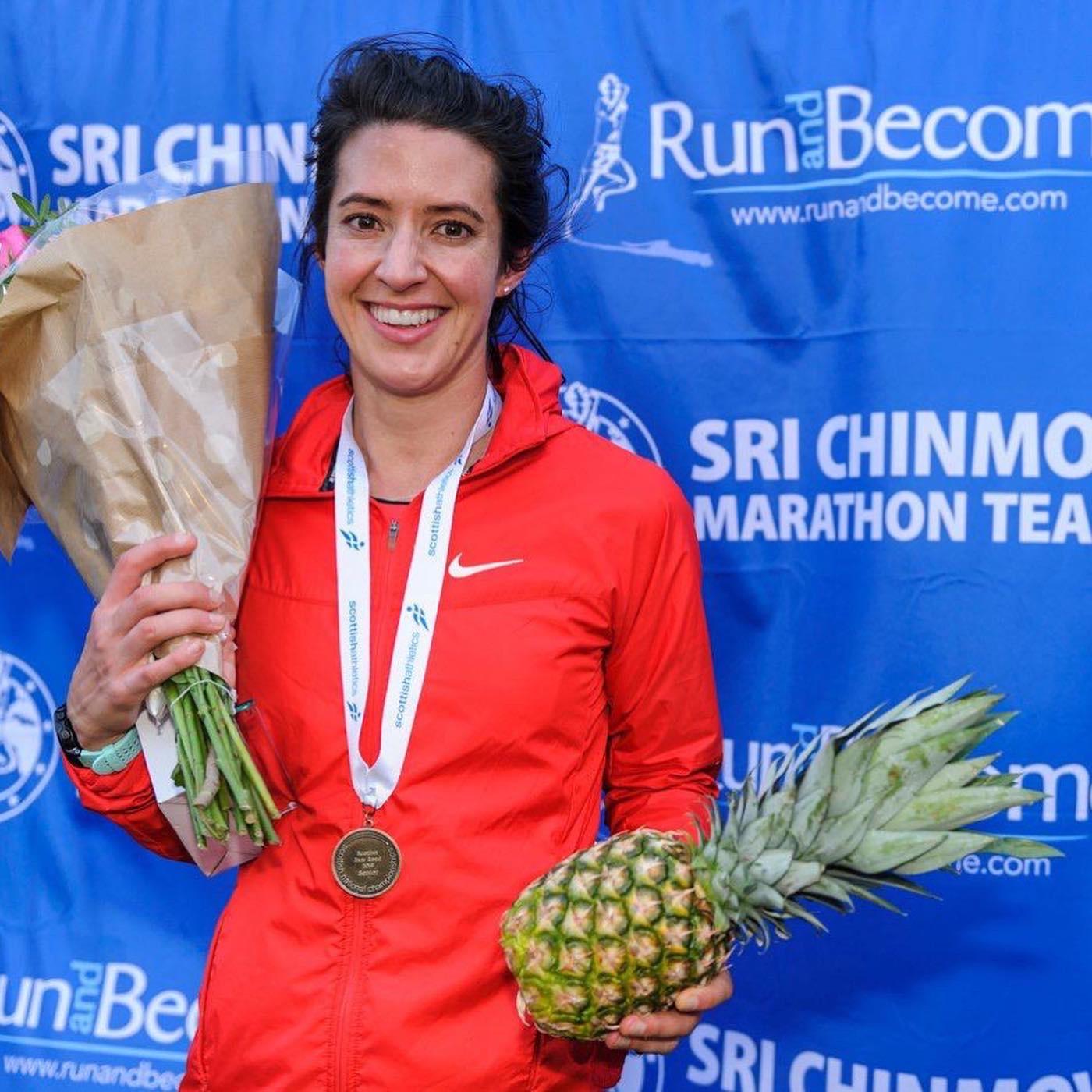 But the most important part of this story isn’t that result.
It’s what happened next.
Longevity: The Outcome That Really Matters
î
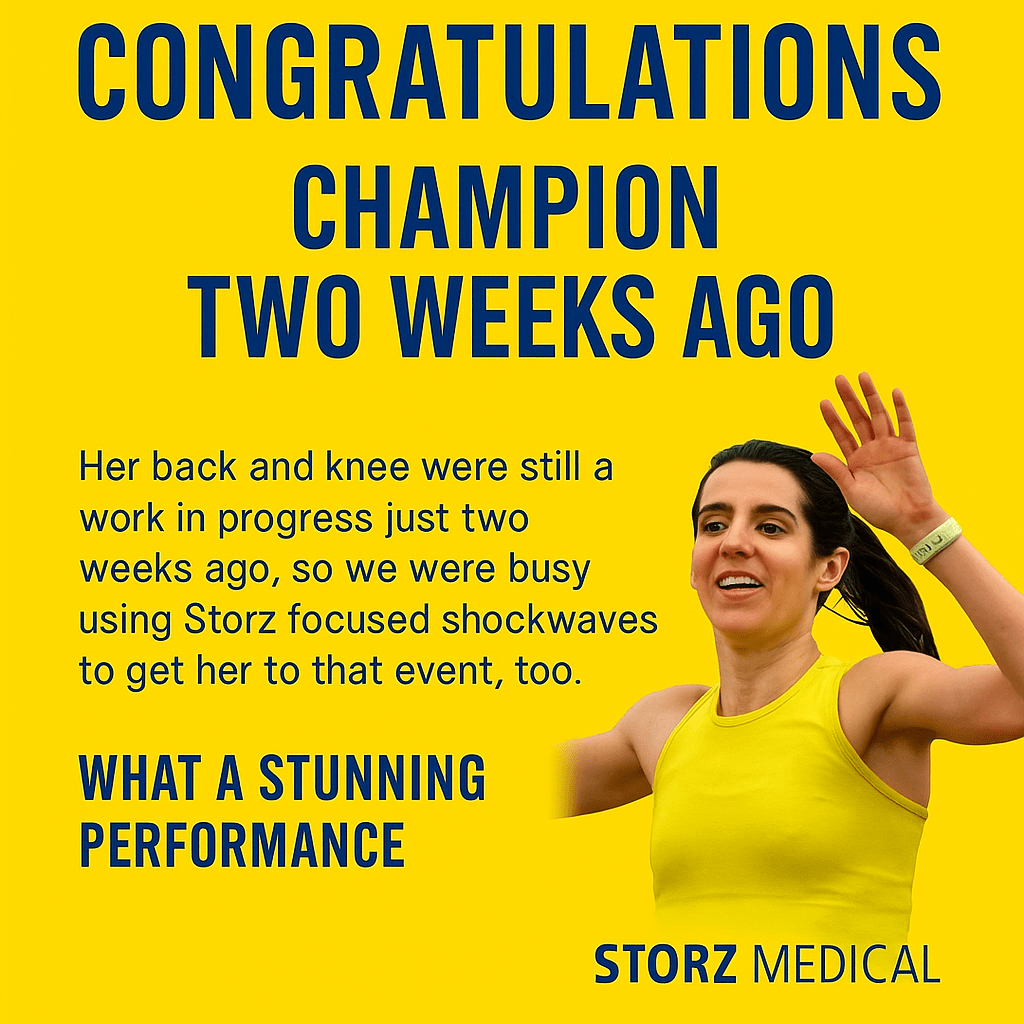
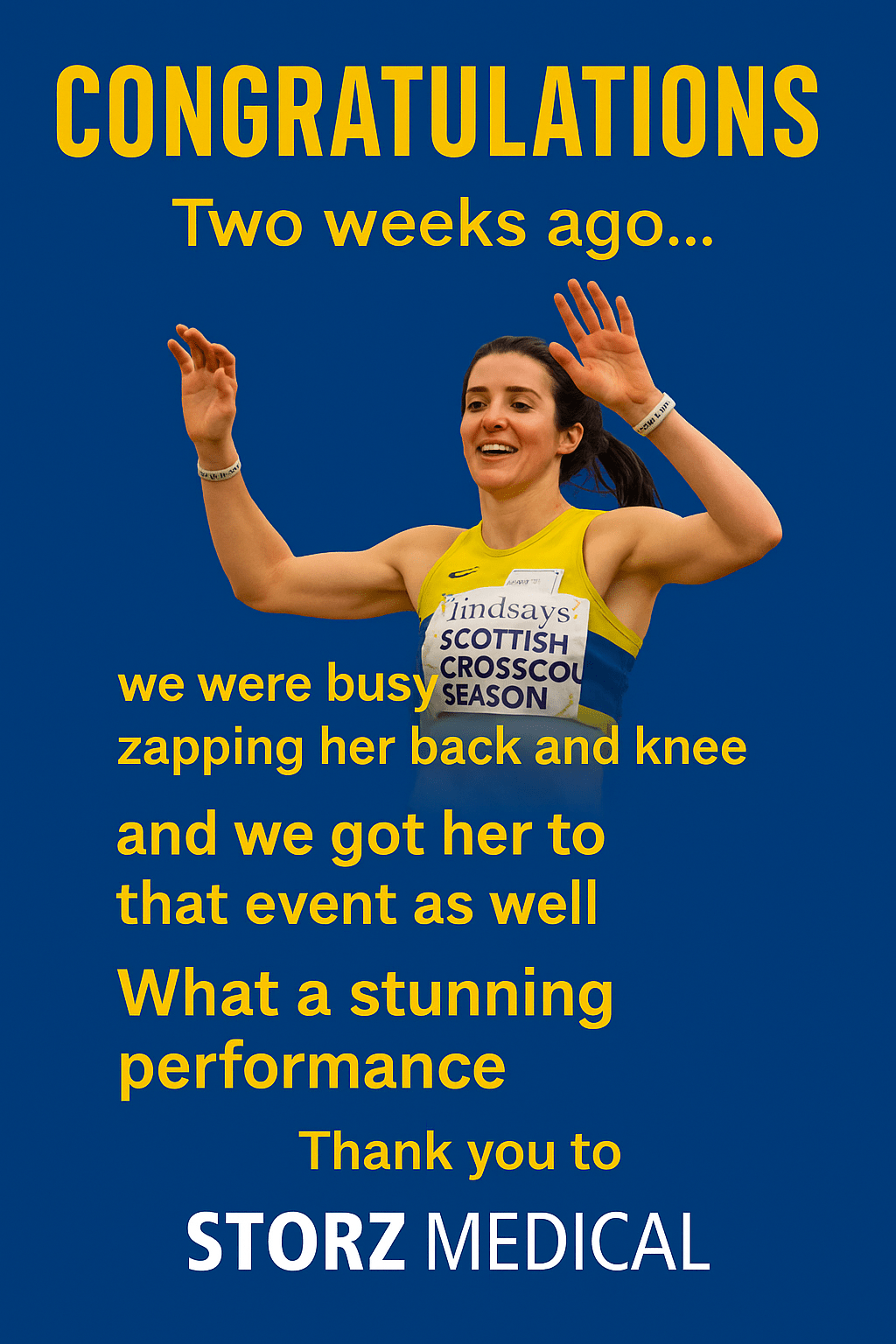
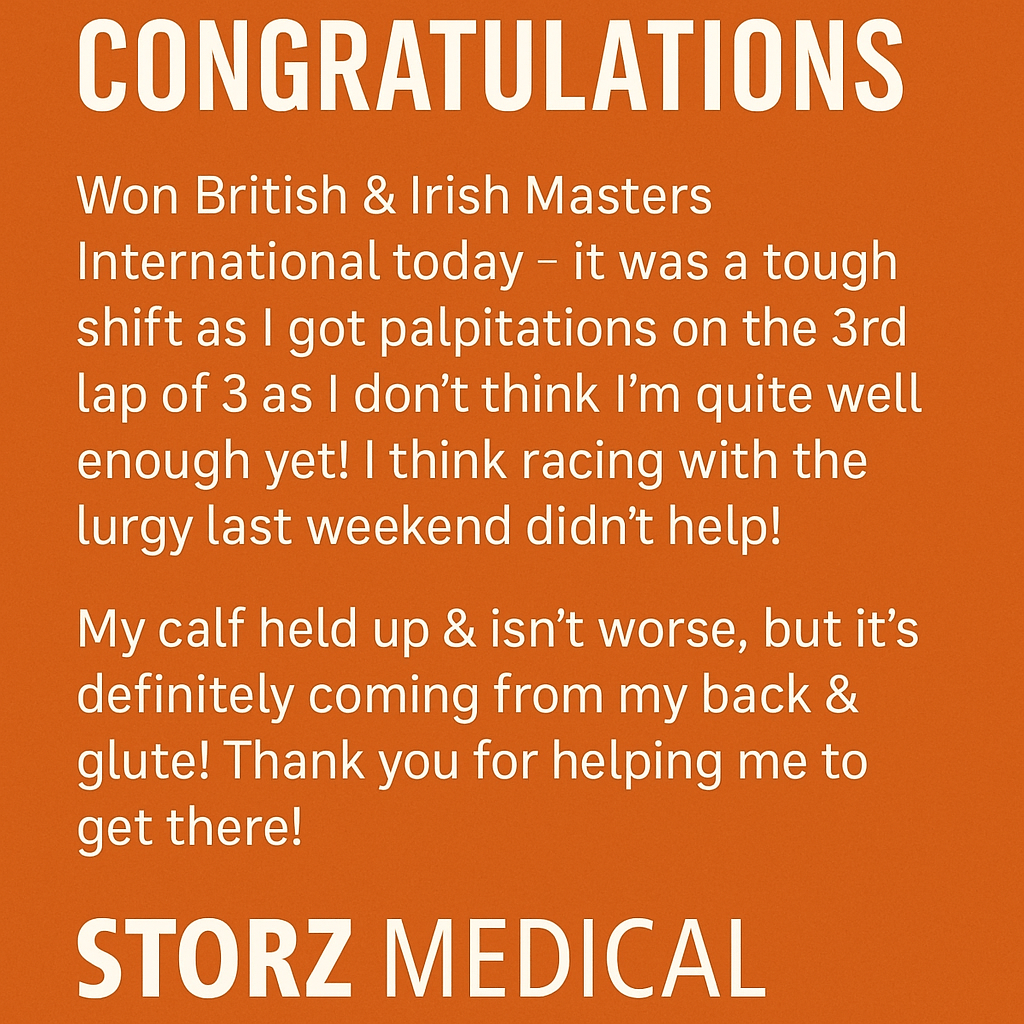
Fast-forward to 2026.
Seven years on, she is:
- Still training
- Still competing
- Still being selected to represent Scotland
- Still adapting through life, illness, load fluctuations, and performance demands
Focused Shockwave is no longer a “recovery tool” here.
It’s part of ongoing capacity management — supporting performance rather than rescuing breakdown.
This is what physical longevity looks like in practice.
Not the absence of issues.
But the ability to keep showing up.
Key Reflections
This case was never about one intervention.
It was about:
- Respecting tendon biology
- Applying the right load at the right time
- Understanding that recovery is not the end point — capacity is
This wasn’t about getting back quickly.
It was about staying there.